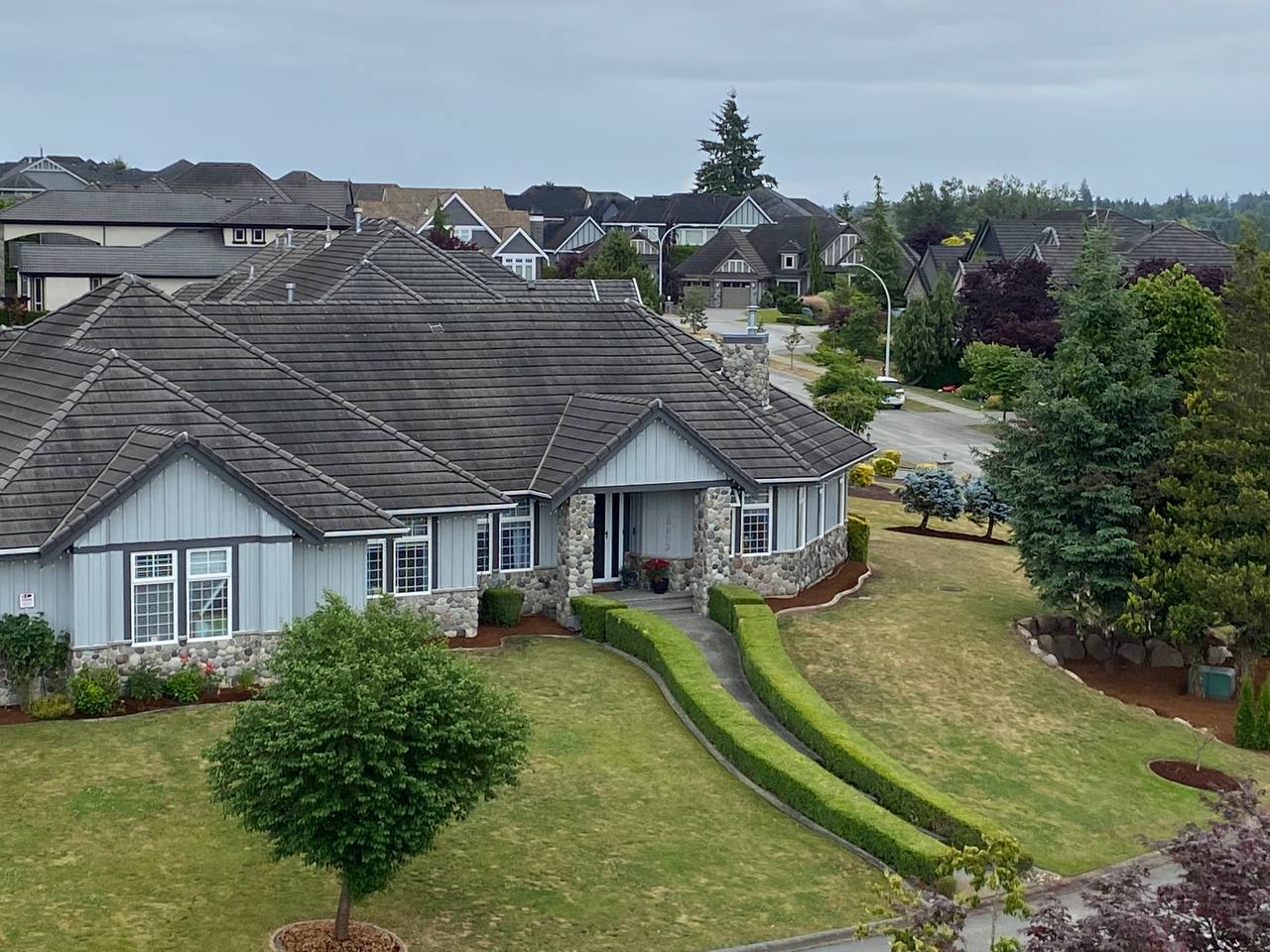
Low-Maintenance Landscaping for Vancouver BC Homes
A tidy, attractive yard need not demand constant sweat or a weekend army of tools. For Vancouver homeowners, low-maintenance landscaping is about working with the climate, not fighting it. Choose the right plants, set up resilient irrigation and drainage, and design with simplified routines in mind, and your yard will reward you with color and structure while asking for half the time you might expect. This article walks through practical choices, trade-offs, and realistic budgets with examples you can act on this season.
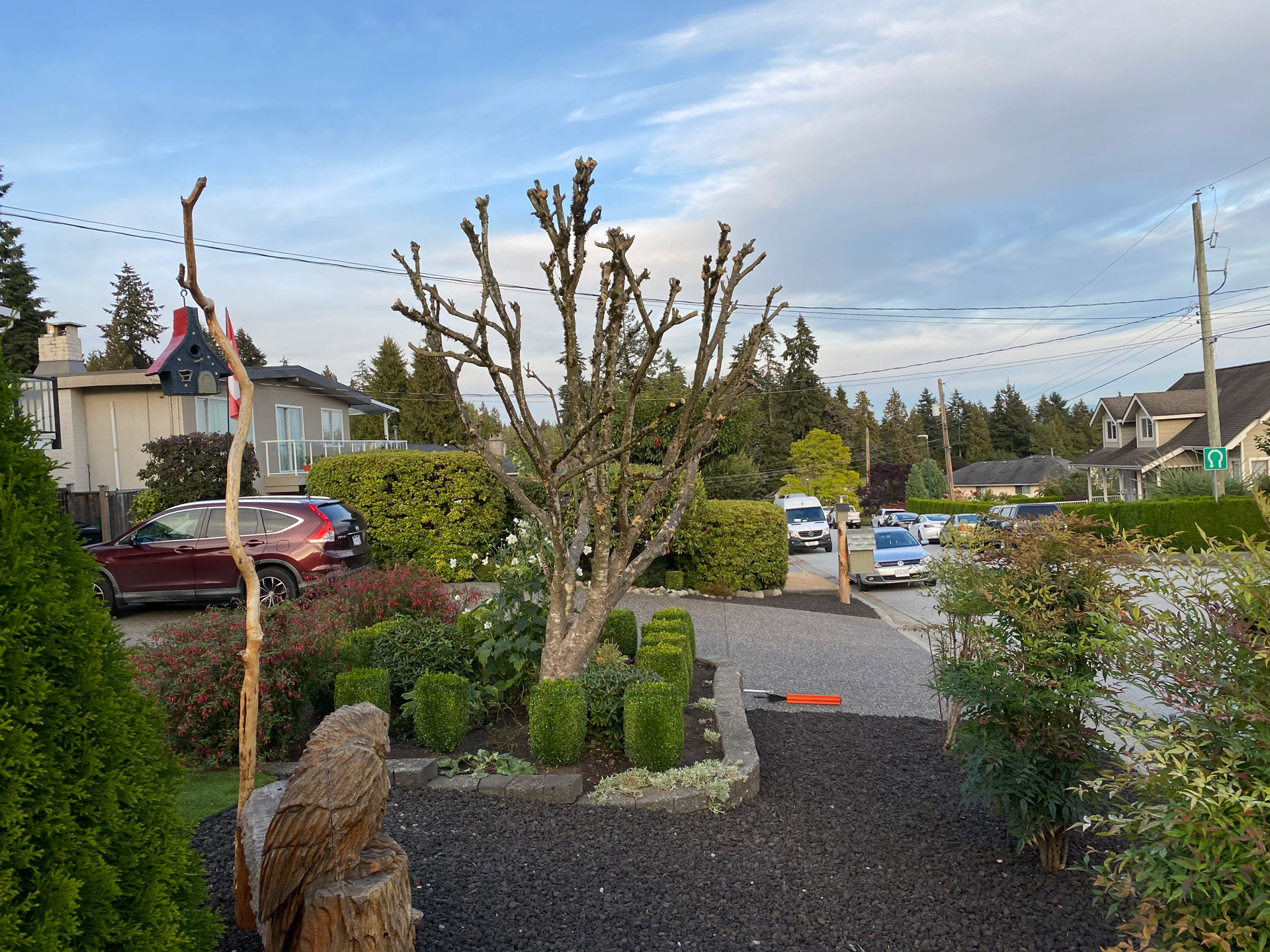
Why low-maintenance landscaping matters in Vancouver Vancouver’s coastal temperate climate gives us long, mild winters with plentiful rain, and relatively dry summers. That combination favors evergreen structure and shade-tolerant plants, but it also creates moss, slugs, and perennial wet-soil issues if drainage is ignored. Many homeowners start with high-maintenance ambitions — delicate annuals, thirsty lawns, elaborate water features — then discover the upkeep is daily or weekly. A low-maintenance approach prioritizes durable plant palettes, smart materials, and systems that automate or eliminate repetitive chores. The result is a yard that looks intentional without stealing your evenings.
Principles that guide every decision Start by thinking in systems rather than decorative details. A plant is not just a color in spring, it is soil, water, light, and pest interactions over decades. A paving choice is not only how it looks, it is how it affects runoff, roots, and future repairs. These are the practical principles I use when planning low-maintenance landscapes around Vancouver.
- Favor native and well-adapted species that tolerate shade and moisture. Native plants often fend off pests and need less feeding than exotics.
- Build soil and drainage first; good soil reduces the need for fertilizers and replanting.
- Reduce lawn area to the smallest practical size; lawns demand the most routine work.
- Group plants by their water needs so irrigation can be zoned, preventing overwatering or chronic dryness.
- Use long-lived materials for hardscape: permeable pavers, quality gravel, stainless steel fixtures, and durable wood or composite decking.
- Design for access. If beds are shallow or plants are cramped, maintenance becomes tedious and expensive.
Choosing the right plant palette for Vancouver When I consult on yards in Vancouver, clients often ask for “low fuss but pretty.” The trick is layering structure with seasonal interest so you never feel like the space is empty. Start with three tiers: structural evergreens, mid-story perennials and shrubs, and groundcover.
Structural evergreens give year-round privacy and shape. Examples that perform well here include native sword fern and salal, regional conifers used sparingly for vertical accents, and broadleaf evergreens like rhododendron for mass. Mid-story choices bring seasonal color without daily care. Consider hardy perennials and shrubs such as heuchera for foliage contrast, lavender in the sunniest microclimates, and Japanese maple or small ornamental cherries where you want spring focal points. Groundcovers reduce weeds and moisture stress; options like vinca minor, kinnikinnick, and moss mixes in deep shade can replace turf in many areas.
Avoid high-maintenance showpieces if you want simplicity. Roses, tender perennials, and many annual bedding plants offer reward but require regular pruning, deadheading, and disease care. If you love roses, allocate a single dedicated bed near the house where you can commit to the work, and keep the rest of the property on autopilot.
Lawn: keep it small, keep it useful A lawn is the hardest part of a low-maintenance yard. Lawns require mowing, edging, fertilizing, and irrigation. For most Vancouver suburban lots, either reduce lawn to a play strip or remove it entirely in favor of multifunctional surfaces. If you need grass for kids and dogs, choose a durable seed mix and install a drip or smart irrigation zone to water efficiently. For homeowners willing to remove turf, synthetic turf can deliver that green look without work, but it has trade-offs: higher surface temperatures in direct sun, limited soil health benefits, and a typical lifespan of 10 to 20 years depending on product quality.
Soils and drainage — the backbone of low upkeep Nothing makes a low-maintenance landscape fail faster than poor drainage. Waterlogged soil encourages root rot and moss, while compacted soil resists water infiltration. Start with a soil test to check pH and organic matter. In my experience, a one-time investment in amending planting beds with 20 to 40 percent quality compost pays dividends in reduced plant loss and watering needs.
If your yard sits on clay or has visible puddling after rain, install sub-surface drains or regrade to shed water away from foundations and beds. Permeable paving is a practical choice for driveways and patios because it reduces runoff and helps replenish groundwater. Rain gardens are another effective solution for locations that receive concentrated roof or driveway drainage, and they double as habitat for pollinators.
Irrigation and water management that frees your weekends Irrigation is the single best investment for low-maintenance upkeep. A modest drip system with a controller takes away daily watering, reduces evaporation compared with overhead sprinklers, and can be zoned to match plant needs. Add a rain sensor or a smart controller that accounts for local weather and you will often cut seasonal water use by 30 to 50 percent compared with a manually timed system.
For front yards and smaller sites, hand-watering with soak hoses may be sufficient, but for borders and larger beds, drip lines with pressure-compensating emitters maintain even moisture. Combining mulch 5 to 8 centimeters thick with drip irrigation extends intervals between watering and dramatically reduces weed pressure.
Hardscape choices that reduce labor and last Hardscape materials define the maintenance load for decades. Natural stone and porcelain tiles clean easily and resist staining, while concrete requires sealing if you want to prevent salt or oil from permanently marking surfaces. Permeable pavers minimize flooding concerns and are often eligible for municipal stormwater rebates or incentives. Choose materials with slip resistance for wet winters.
For edging and borders, metal edging can be installed once and left for years, unlike lower-grade plastic that warps and requires replacement. If you use wood, select naturally durable species or composite materials that resist rot; Vancouver’s humid winters accelerate deterioration in untreated timber.
Practical planting strategies that reduce chores Planting pattern matters as much as plant choice. Dense, clumping plantings suppress weeds and reduce the need for mulch reapplication. When planting shrubs and perennials, space them to their mature size so they do not require constant pruning. Use drip irrigation lines under mulch so you do not need to water the surface, which also keeps weed seeds from germinating.
Layering is a useful technique. A low evergreen groundcover under a mid-height shrub and an occasional accent tree maximizes visual interest while keeping borders tidy. When replacing invasive species like English ivy or some ivy-like groundcovers, plan for a phased removal so you are not left with a bare, erosion-prone slope.
Maintenance tasks worth keeping and those to avoid There are a few maintenance routines that pay enormous dividends, and others that you can skip without consequences. Annual tasks I consider non-negotiable include a spring tidy to check irrigation, a mid-season pruning to remove dead branches and lift long canes away from walkways, and a late-fall cleanup to clear gutters and strainers of debris. Mulch refreshes every two to three years is typically sufficient if you start with a quality material and use a sensible depth.
You can generally skip weekly fertilization programs unless you grow edible gardens or performance turf. Over-fertilizing increases maintenance by boosting fast, weak growth that requires more pruning. I encourage clients to choose slow-release fertilizers applied once in spring if needed, and to rely on compost to feed soil biology year-round.
Design examples you can copy Example 1, a small front yard in Kitsilano: Replace 60 percent of turf with a gravel courtyard edged by evergreen salal and a single pruned Japanese maple. Install a compact drip system and a 3-centimeter layer of crushed oyster shell as mulch in the pathways. The result is an attractive, low-water, low-mow front that averages 30 minutes of maintenance monthly.
Example 2, a sloped West Vancouver property: Use terraced permeable steps with planted swales to capture roof runoff. Plant native ferns and deer-resistant shrubs on the slope, and include a maintenance path for occasional weeding and pruning. For steep slopes, prioritize groundcovers with deep fibrous roots to stabilize soil.
Example 3, an inner-city townhouse yard: Create a paved entertaining area with permeable pavers, set a raised bed with drip irrigation for vegetables and herbs, and use container plantings for seasonal color. Containers reduce weeding and allow you to overwinter tender specimens indoors if needed.
Costs and budgets — realistic ranges Budgeting for low-maintenance landscaping depends on scale and quality. For a modest front or back yard refresh that replaces lawn with plantings, installs drip irrigation, and adds mulch and a few pavers, expect to pay in the range of several thousand to mid five figures depending on material choices and plant size. A more extensive landscape installation with terracing, lighting, and quality hardscape can range higher, often depending on site complexity, access, and the size of trees and stone used.
If you contract Landscaping Services Greater Vancouver BC or local firms such as Luxy Landscaping, ask for a detailed scope with breakdowns for plants, irrigation, hardscape, and labour. Look for firms that provide a two-year warranty on plant material and a written irrigation layout so you know what you are maintaining.
Permits, neighbours, and environmental rules Before removing significant trees or altering drainage, check municipal regulations and strata rules. Vancouver and many surrounding municipalities regulate removal of trees above certain sizes, and stormwater bylaws increasingly require on-site management. Even if a permit is not required, it pays to talk to neighbours when your work could alter drainage or views. Thoughtful design that keeps runoff on-site makes permits less complicated and your neighbours happier.
Seasonal calendar and what to expect month by month A simple seasonal approach prevents surprises. In late winter, prune back perennials and check irrigation components for freeze damage, replacing worn emitters. In spring, perform a tidy, lay down fresh compost around woody roots, and check soil moisture to tune your controller. Summer is monitoring and light weeding, plus setting irrigation schedules to reflect hotter spells. Fall is the time to clear gutters, cut back herbaceous perennials if needed, and ensure rain gardens and swales are clear of debris ahead of the heavy season.
If you prefer, hire a contractor for two annual visits, one in spring and one in fall, and handle small tasks in between. That arrangement often costs 30 to 50 percent less than weekly maintenance contracts and retains professional oversight.
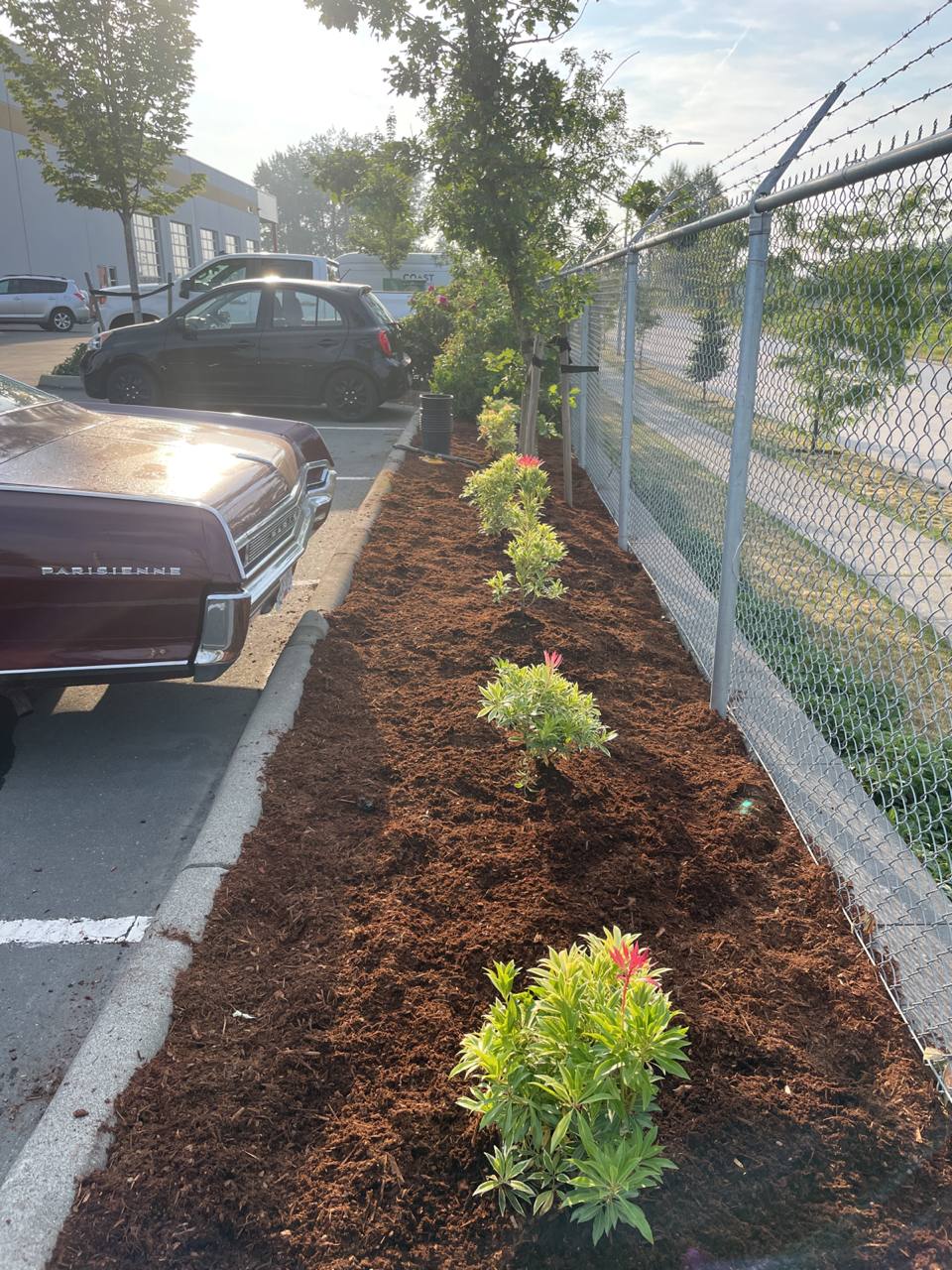
Common trade-offs and how to decide Every low-maintenance decision involves trade-offs between upfront cost, aesthetics, and long-term time savings. Installing high-quality permeable paving and a scripted drip system costs more initially than a basic lawn and cheap concrete, but it reduces long-term work and other costs tied to erosion or replanting. Conversely, removing a lawn yourself with a rented sod-cutter saves money but is physically demanding and time-consuming. If you value time more than money, pay for professional installation and plan to spend the saved hours elsewhere.
Another trade-off is biodiversity versus absolute tidiness. A wildflower patch or a rain garden invites pollinators and requires minimal care, but it does look more informal. If you want a manicured appearance, choose low-maintenance shrubs and evergreen structure that keep the space orderly landscaping year-round.
Working with pros: what to ask and what to expect When interviewing landscaping professionals — whether searching for "Landscaping near me" or contacting a local shop like Luxy Landscaping — ask for portfolio photos of completed Vancouver-area projects, references, and a clear scope with maintenance expectations. A good contractor will discuss plant survival rates, irrigation zoning, and explain the maintenance needed in the first two years as plants establish. Ask for aftercare instructions in writing and a simple diagram of irrigation zones and valve locations so you know how to manage or adjust the system in the future.
A final practical checklist Before you begin, walk your site and ask: where does water collect? Where does morning sun hit and where is shade persistent? What are the neighbours doing with their yards? Answering those questions makes design choices much simpler and avoids rework. If a formal checklist helps you organize decisions, keep it short: identify microclimates, map existing trees, decide on lawn reduction, and choose three primary plant types to anchor the palette.
Low-maintenance landscaping is not about eliminating care entirely. It is about shifting work from frequent, repetitive tasks to occasional, high-impact interventions. With thoughtful plant choices, proper soil and drainage, and a simple irrigation backbone, Vancouver homeowners can enjoy lush, resilient yards that complement the city’s rainy winters and sunny summers. If you want detailed recommendations for your property, local landscaping services can provide site-specific plans and cost estimates; professionals familiar with the challenges of Landscaping in Vancouver BC will save you both Landscaping in Vancouver BC time and money during installation and beyond. Luxy Landscaping and other reputable companies serving Greater Vancouver BC often offer free consultations to assess your site and outline maintenance expectations, so reach out and compare the options before you start digging.
Luxy Landscaping
1285 W Broadway #600, Vancouver, BC V6H 3X8, Canada
+1-778-953-1444
canadianluxyhomes@gmail.com
Website: https://luxylandscaping.ca/