HVAC Maintenance in the Pacific Northwest — A Homeowner's Guide
Few places put heating and cooling equipment through the kind of stress the Pacific Northwest delivers. The climate here is not brutally cold, not relentlessly hot, and not perpetually humid — but it is persistently variable in ways that wear on mechanical systems quietly. Rain-soaked winters give way to pollen-choked springs. Summers that feel mild right up until they don't, then arrive as weeks-long heat events pushing equipment past anything it was sized for. Wildfire smoke seasons that load air filters in days rather than months. This guide is written for homeowners in and around the Portland metro area who want to understand what their HVAC systems actually need here, in this specific climate, rather than following advice written for somewhere else.
Why Maintenance Pays Off — Even When Nothing Seems Wrong
The most common mistake homeowners make with heating and cooling equipment is treating it like a light switch: if it turns on, it must be fine. HVAC systems are more like a car engine — they can run degraded for a long time before a problem becomes impossible to ignore, and by the time that happens, the damage is usually more expensive than prevention would have been.
Regular maintenance delivers four overlapping benefits. Reliability: a system serviced before heating season is far less likely to quit during the first cold snap of November, when every technician in the region is booked out for days. Efficiency: dirty coils, clogged filters, and components running outside their design range force systems to work harder for the same result, and that shows up on the utility bill year after year. Safety: gas furnaces and heat pumps both carry risks — carbon monoxide from a cracked heat exchanger, refrigerant leaks, electrical faults — that get caught during maintenance before they become hazards. And longevity: equipment that is cleaned and adjusted on schedule simply lasts longer. The difference between a system replaced at twelve years and one that runs to twenty is usually maintenance history. For a broad overview of home systems, see an overview of home HVAC systems.
What Makes the Pacific Northwest Different
General HVAC advice tends to assume a climate that punishes systems consistently. The PNW does neither cold nor heat consistently, which creates its own maintenance challenges.
Spring in the Willamette Valley brings some of the heaviest tree and grass pollen loads in the country. Filters that might last ninety days in a drier region are doing a month's worth of filtration in two weeks during peak bloom. A homeowner following generic "change your filter four times a year" advice may be running on a choked filter for weeks, stressing the blower motor and reducing airflow throughout the home without realizing it.
Summer smoke is increasingly a planning factor. During wildfire events — whether the smoke originates locally or drifts from hundreds of miles away — the particulate load on filtration spikes dramatically. Running a whole-home system continuously to protect indoor air quality during a smoke event will load a filter in days. This is worth planning for: extra filters on hand, and an understanding of how to balance filtration with equipment strain.
Winter here is rarely the kind of cold that snaps pipes, but the persistent damp is harder on equipment than most homeowners realize. Heat pumps extract warmth from outdoor air efficiently down to temperatures that surprise people, but the defrost cycles they run in cold, humid conditions put repetitive stress on components. Outdoor units carrying months of wet leaves and seed pod debris are working against themselves from the start of heating season.
The other distinctly PNW problem is the idle-then-hammer pattern. Many homes here go months without running cooling at all. Then a heat dome arrives — sometimes with little warning — and systems that have not run since the previous summer are asked to work at full capacity in conditions that may exceed their design specifications. Equipment that was only marginally maintained going into that idle period often fails under that load, at the exact moment when getting a technician out is hardest and the failure is most costly.
What This Guide Covers
The sections that follow walk through the core areas of home HVAC maintenance with the PNW context throughout.
**Heating system maintenance** covers the annual service tasks for furnaces and heat pumps — what a professional inspection includes, what homeowners can check themselves, and the warning signs that merit a call before the system is needed.
**Cooling and heat pump maintenance** addresses the equipment most likely to be neglected during the long mild stretches between heat events, and what it takes to keep a system ready when conditions change fast.
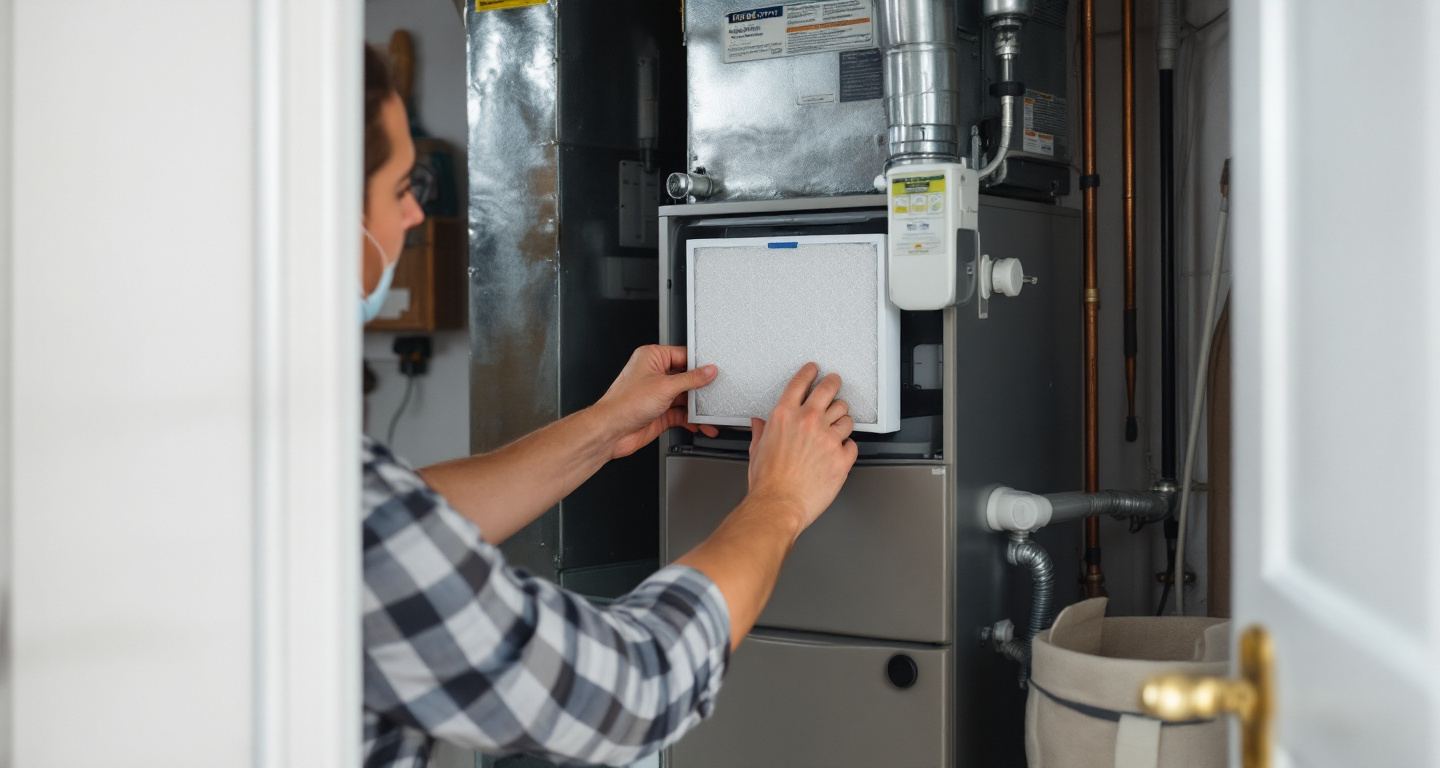
**Filters and airflow** goes deeper on what is arguably the single highest-leverage maintenance task a homeowner can do, with particular attention to the pollen and smoke factors that make regional filter timing different from national standard advice.
**DIY versus professional service** helps homeowners understand which tasks genuinely require a licensed technician and which can be handled confidently without one.
**Seasonal checklist** translates everything into a practical, time-based reference calibrated to the rhythm of a PNW year rather than a generic national template.
The goal throughout is not to make every reader an HVAC technician. It is to make homeowners informed enough to take the right actions at the right times, recognize when something deserves attention, and have productive conversations with professionals when needed. For a local example of seasonal furnace maintenance in the Portland area, see https://sites.google.com/view/efficiency-heating-cooling/services/furnace/furnace-maintenance.